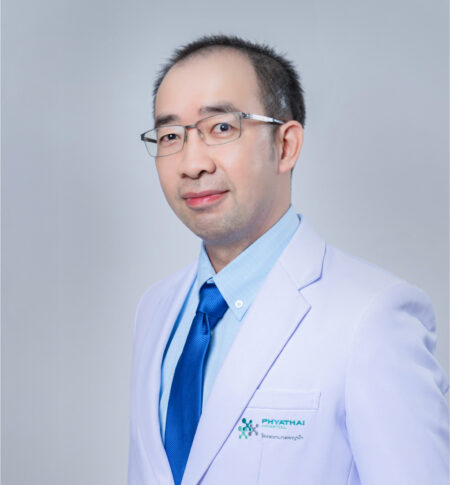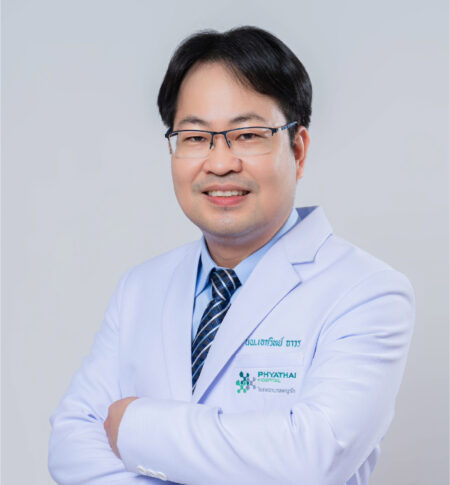

Dr. Watanachai Bangkhen
Before initiating treatment, the physician provides patients with comprehensive information regarding both the potential benefits and possible risks. This ensures that patients can make well-informed decisions about their treatment options. In general, surgical intervention for injuries is considered a last resort and is undertaken only when it is deemed absolutely necessary.
Orthopedic Surgery and Sports Medicine with a Patient-Centered Approach
After earning his Doctor of Medicine degree from Mahidol University, Dr. Watanachai Bangkhen continued his advanced training in Orthopedic Surgery at the same institution. He later pursued further specialization in Sports Medicine at the Faculty of Medicine, Chiang Mai University. Reflecting on his educational journey, Dr. Watanachai shared the inspiration behind his career path.
Dr. Watanachai’s interest in orthopedic surgery, joint disorders, and sports-related injuries began in childhood through his passion for football. Having experienced sports injuries himself—and witnessing similar injuries among those around him—he developed a strong fascination with musculoskeletal treatment and surgical techniques. This early exposure ultimately led him to pursue advanced training in orthopedics and sports medicine.
Patient Groups and Sports-Related Injuries
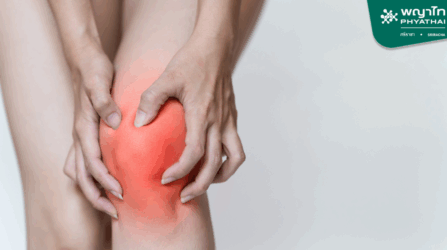
The majority of patients under Dr. Watanachai’s care are individuals who have sustained sports-related injuries or accident-related trauma. Due to the hospital’s proximity to industrial areas and corporate workplaces, many working-age adults actively participate in sports such as football, volleyball, and basketball, which carry a higher risk of injury.
“Many of the severe cases I treat involve ligament tears or fractures around the knee. Once a clear diagnosis is made, surgery may be necessary. In such cases, I perform minimally invasive procedures using arthroscopy, which plays a vital role in modern orthopedic and joint surgery.”
Dr. Watanachai also emphasizes injury prevention, particularly for individuals engaging in high-risk activities such as skateboarding without proper protective equipment. He recalled a recent case involving a patient who sustained a severe elbow fracture following a skateboarding accident. Although surgical treatment was successful and the outcome was satisfactory, the case highlighted the importance of preventive measures.
“Protective equipment such as helmets, elbow pads, and knee pads can significantly reduce the severity of injuries in the event of an accident.”
Stem Cell and Regenerative Innovations: Reducing Injuries Without Surgery
When determining a treatment plan, Dr. Watanachai prioritizes the patient’s best interests. Before initiating any treatment, he provides comprehensive information regarding potential benefits and risks, enabling patients to make informed decisions. In general, surgery is considered a last resort and is performed only when absolutely necessary. Conservative treatment options—including medication and physical therapy—are always considered first.
One advanced regenerative option is Platelet-Rich Plasma (PRP) therapy, which involves extracting plasma rich in platelets, proteins, and growth factors from the patient’s own blood.
“PRP is injected into injured, inflamed, or degenerated soft tissues, tendons, or muscles. It is commonly used to treat musculoskeletal conditions involving ligaments, muscles, and joints. By delivering PRP directly to the affected area, we can reduce pain, stimulate the body’s natural healing processes, and accelerate recovery. Importantly, PRP therapy is safe because it uses the patient’s own blood components.”
Promoting Safety and Injury Prevention
In Thailand, more than 80% of bone and joint injuries are caused by traffic accidents—particularly those involving alcohol consumption or traffic violations, such as motorcyclists not wearing helmets or failing to obey traffic signals. Such accidents can result in severe and long-lasting physical consequences.
Dr. Watanachai strongly encourages the public to follow traffic regulations and avoid drinking and driving to reduce the risk of serious injuries and protect both themselves and others on the road.