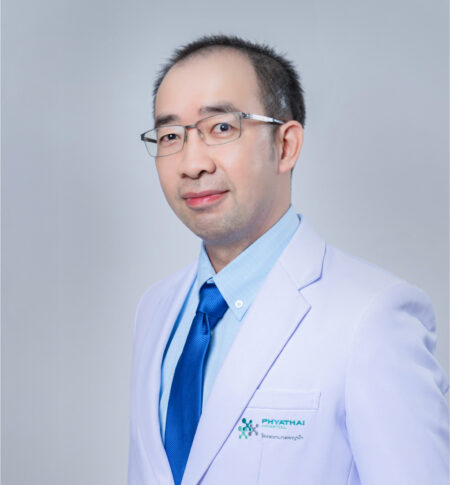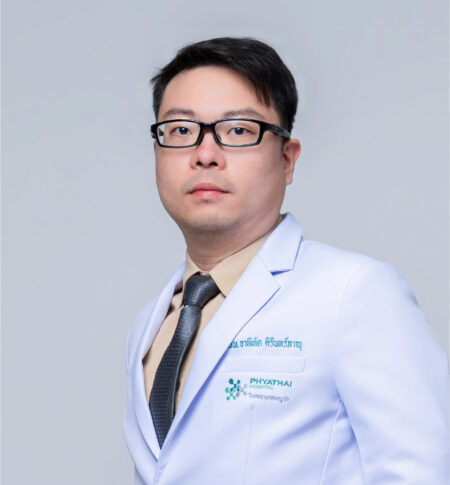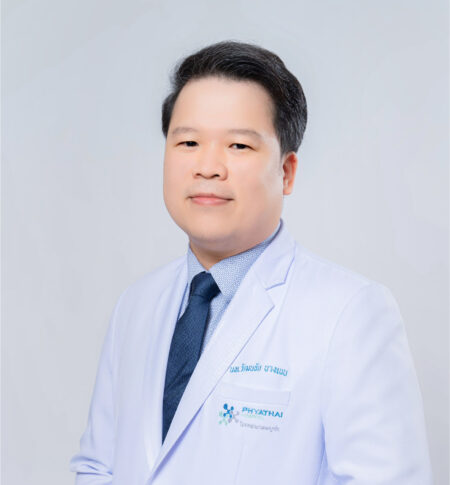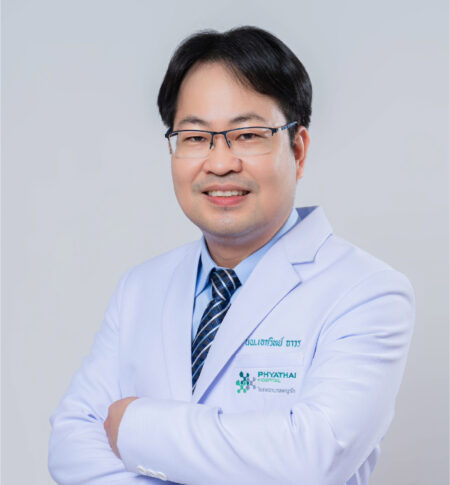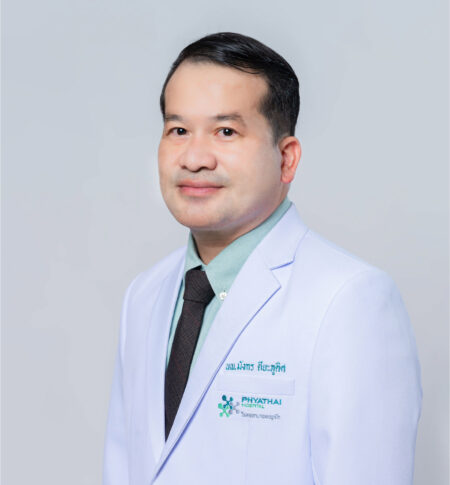

Dr. Mungkorn Teeyaphudit
Although orthopedic surgery has benefited greatly from advances in technology and surgical tools, a physician’s expertise remains the most critical factor. Surgeons must possess specialized knowledge and skills, from accurate diagnosis to precise treatment planning. When combined with high-quality instruments and innovative techniques, surgical outcomes become more efficient, safer, and faster—ultimately reducing the risk of errors and complications.
Advanced Orthopedic Surgery with Expertise at the Core
In the field of Orthopedic Surgery, medical technology and surgical tools have advanced significantly over time. However, surgeons firmly believe that clinical expertise remains the most critical factor in achieving successful surgical outcomes. From accurate diagnosis to individualized treatment planning, orthopedic surgeons must possess in-depth knowledge and specialized skills. While advanced instruments and modern techniques help improve precision, efficiency, and recovery time, they ultimately serve to support—not replace—the surgeon’s expertise. When used appropriately, these innovations help reduce surgical errors and postoperative complications, leading to safer and more effective patient care.
Education and Professional Journey
After earning his Doctor of Medicine degree from the Faculty of Medicine, Thammasat University, Dr. Mungkorn Teeyaphudit pursued advanced training in Orthopedic Surgery and later specialized in knee and hip joint replacement at the Faculty of Medicine, Thammasat University, Sirindhorn Medical Center.
Reflecting on his journey, Dr. Mungkorn shared:
“During medical school, I was particularly interested in anatomy—especially the skeletal system and nerves. I also felt naturally drawn to surgical fields, which made orthopedics the specialty that suited me best.
After working as an orthopedic surgeon for several years, I noticed a growing number of patients requiring knee and hip replacement surgery. I enjoyed talking with elderly patients and listening to their struggles with knee and hip osteoarthritis. Seeing how joint degeneration affected both their physical abilities and emotional well-being motivated me to pursue further specialization. I wanted to help them walk again, regain independence, and return to a normal life.”
Patient Groups and Conditions Treated
The majority of patients under Dr. Mungkorn’s care suffer from musculoskeletal and joint-related conditions, most commonly degenerative knee and hip osteoarthritis. He also treats patients with back pain, shoulder pain, disc herniation, Office Syndrome, and fracture-related injuries.
“Most patients undergoing knee or hip replacement surgery are elderly individuals with age-related joint degeneration. However, we also see younger patients with avascular necrosis of the hip, caused by insufficient blood supply to the joint. This condition is relatively common in the Sriracha–Chonburi area due to its large industrial workforce.
Another patient group includes foreign retirees who have chosen to live in this region. Many of them experience similar joint problems associated with aging, particularly knee and hip degeneration.”
Compassionate Care for Elderly Patients
Dr. Mungkorn places strong emphasis on holistic patient care, especially for elderly patients. Chronic knee and hip osteoarthritis often causes persistent pain, difficulty walking, and loss of independence, which can lead patients to feel like a burden on their families.
“In addition to treating physical conditions, it is essential to care for patients’ emotional well-being. Many elderly patients require reassurance, understanding, and encouragement alongside medical treatment.”
During consultations, Dr. Mungkorn carefully listens to each patient’s goals and expectations:
“Some patients want to walk independently again, while others hope to return to activities such as cycling or light exercise. Understanding each patient’s personal goals helps me determine how much I can assist them and which treatment approach is most appropriate.”
Providing confidence and emotional support is especially important, as many patients delay surgery due to fear of complications or disability—enduring pain for years before finally seeking treatment.
A Challenging Case That Left a Lasting Impact
Dr. Mungkorn recalled a particularly challenging case that highlighted the importance of experience, caution, and multidisciplinary care:
“A woman in her 30s with end-stage kidney disease required regular dialysis. This condition often leads to severe bone weakness due to hormonal imbalances. She suffered fractures in both hip joints, making surgery extremely high-risk.
Although the hip replacement surgery was successful, she later sustained fractures in both legs and required metal rod fixation. However, surgery alone was not enough. Her underlying hormonal imbalance had to be treated so her bones could regenerate naturally.”
After six months of coordinated treatment addressing both orthopedic and hormonal issues, the patient’s bones strengthened significantly. She was eventually able to walk independently, drive, and resume a normal life.
“Seeing her regain independence and avoid being bedridden was incredibly rewarding.”
Building Trust Beyond Treatment
Dr. Mungkorn believes that being a physician extends beyond treating physical symptoms—it requires listening, empathy, and trust.
“No one wants to come to the hospital unless they are unwell. Patients often share not only their medical concerns but also personal and family issues. When they open up, it shows trust. This trust allows us to provide better advice and care.”
He approaches elderly patients with the same respect and compassion he would give to his own parents or older relatives.
“My path to becoming a doctor was not easy. I was not a top student initially and even started my education in pharmacy before pursuing medicine. It took years of dedication to gain expertise in bones, joints, and joint replacement surgery. Because of this journey, I give my absolute best to every patient I treat.”
Commitment to Compassionate, Comprehensive Care
Dr. Mungkorn emphasizes that successful orthopedic treatment depends on both medical expertise and genuine compassion. By addressing patients’ emotional well-being alongside their physical conditions and building strong, trusting relationships, he strives to help patients regain mobility, independence, and a better quality of life.
Through continuous learning, empathy, and dedication to his profession, Dr. Mungkorn finds fulfillment in helping patients walk again—both physically and emotionally—toward a healthier, more independent future.