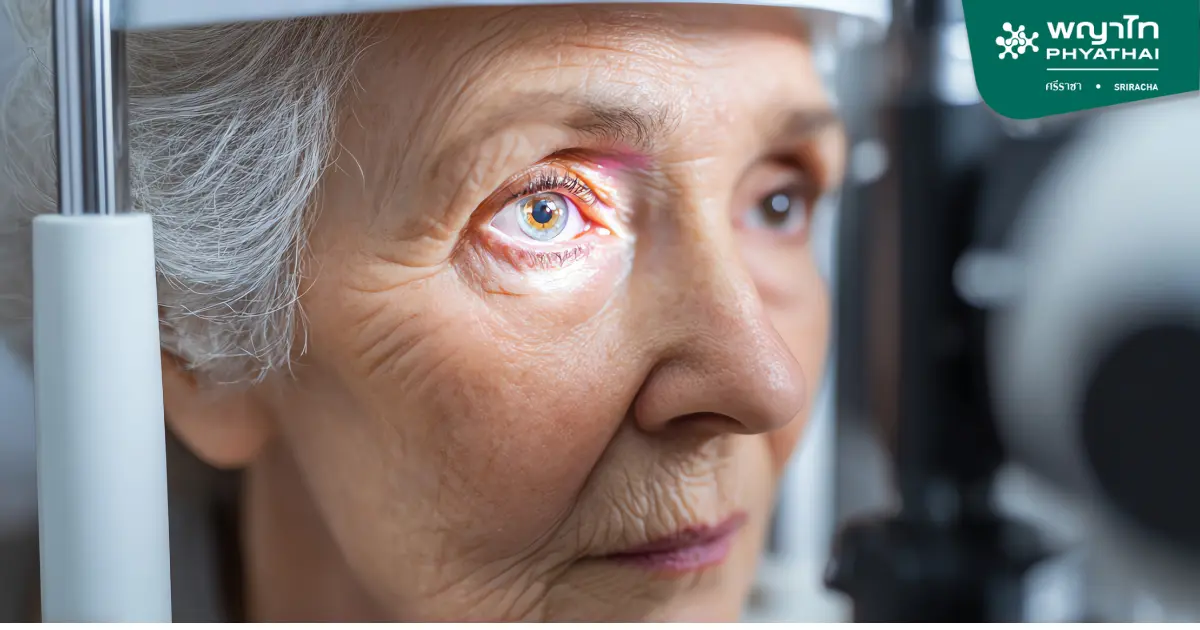
Glaucoma is a leading cause of irreversible blindness worldwide.
For further information or Booking..


Glaucoma is a group of eye diseases characterized by damage to the optic nerve, most commonly identified by enlargement or deepening (“cupping”) of the optic nerve head. In healthy individuals, the cup-to-disc ratio is typically less than 50% of the optic disc diameter. In patients with glaucoma, this ratio becomes significantly enlarged, indicating optic nerve damage.
Causes of Glaucoma
Several factors contribute to optic nerve damage in glaucoma. The most important and common factor is elevated intraocular pressure (IOP), which exceeds the normal range. In general, normal intraocular pressure is 21 mmHg or lower.
Why Do Patients with Glaucoma Have Increased Intraocular Pressure?
Under normal conditions, aqueous humor (the fluid inside the eye) is continuously produced and drained through a structure known as the trabecular meshwork, maintaining a balanced intraocular pressure.
In patients with glaucoma, abnormalities in this drainage system impair fluid outflow, leading to increased intraocular pressure. Based on the drainage mechanism, glaucoma is primarily classified into two main types:
-
Open-angle glaucoma
-
Closed-angle (angle-closure) glaucoma
Each type has distinct mechanisms, progression patterns, and management approaches.
Who Is at Risk of Glaucoma?
Individuals with the following risk factors are at higher risk of developing glaucoma:
-
Age 40 years and older
-
Family history of glaucoma
-
Diabetes
-
High degrees of myopia (short-sightedness) or hyperopia (long-sightedness)
-
History of eye trauma or previous eye surgery
-
Chronic eye inflammation, such as uveitis
-
Long-term use of steroid eye drops or steroid medications
Treatment of Glaucoma
The primary goal of glaucoma treatment is to lower intraocular pressure in order to slow or prevent further optic nerve damage. Treatment options include:
-
Eye drops or oral medications
-
Laser trabeculoplasty
-
Surgical procedures to reduce intraocular pressure
The effectiveness of treatment depends on the type of glaucoma and the individual patient’s condition. Therefore, management should be guided by an experienced ophthalmologist, who will carefully evaluate each case and tailor a personalized treatment plan to achieve optimal outcomes.
For further information or Booking..

 Building A, 3rd floor