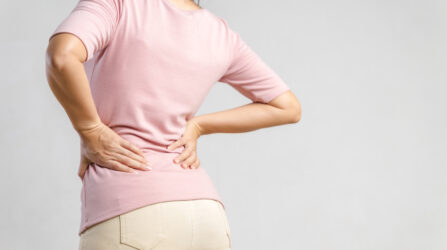
Osteoporosis is a condition characterized by a reduction in bone mass and changes in the internal bone structure, resulting in fragile bones that are prone to fractures, even from minor trauma.
For further information or Booking..


Nature of Bone Mass Accumulation and Loss
Human bones begin accumulating mass from birth and typically reach peak bone density around the age of 30. After this peak, bone mass gradually declines over time. Bone strength depends on both bone size and bone density, which are influenced by mineral content—primarily calcium and phosphorus. When mineral levels are insufficient, bones become weaker and more susceptible to fractures.
Bone Turnover
Bone turnover is a natural biological process in which bone tissue is continuously broken down and rebuilt, with each cycle taking approximately 2–3 months. As people age, the rate of bone resorption gradually exceeds the rate of new bone formation.
This imbalance is particularly pronounced in women after menopause (around the age of 50), when bone loss accelerates significantly. Compared to men, women experience bone loss approximately 5–10 years earlier. After this period, the rate of bone loss becomes similar in both men and women.
Risk Factors for Osteoporosis
-
Gender: Women are at a higher risk than men.
-
Age: Bone density naturally declines after the age of 30.
-
Body Size: Individuals with a small or thin body frame tend to have lower bone density.
-
Diet: Excessive caffeine intake (e.g., coffee or energy drinks) may accelerate bone loss.
-
Lifestyle: Smoking and excessive alcohol consumption negatively affect bone density.
-
Medications: Long-term use of certain drugs, particularly corticosteroids, increases osteoporosis risk.
How to Determine if You Have Osteoporosis
According to the World Health Organization (WHO), osteoporosis is diagnosed by measuring bone mineral density (BMD) using Dual-energy X-ray Absorptiometry (DEXA), which is typically available at major medical centers. Results are reported as a T-score:
-
T-score ≥ -1.0: Normal bone density
-
T-score between -1.0 and -2.5: Osteopenia (low bone density)
-
T-score ≤ -2.5: Osteoporosis
The lower the T-score, the higher the risk of bone fracture. However, fracture risk also depends on additional clinical factors, which physicians consider alongside bone density results to guide treatment decisions.
Risk Assessment and Treatment Considerations
The FRAX® tool, developed by the WHO, estimates a patient’s 10-year probability of fracture by assessing multiple factors, including:
-
Age, gender, height, and weight
-
Smoking and alcohol consumption
-
Long-term steroid use
-
History of previous fractures
-
Family history of hip fractures
-
Underlying medical conditions such as diabetes, hyperthyroidism, and rheumatoid arthritis
When combined with bone density measurements (T-score), FRAX provides a more comprehensive fracture risk assessment and helps physicians determine the most appropriate treatment strategy.
Painless but Dangerous: Osteoporosis Symptoms
Osteoporosis is often called a “silent disease” because it typically causes no noticeable symptoms until a fracture occurs. Even minor trauma can result in fractures, particularly in the wrist, hip, or spine.
In older adults, vertebral fractures may lead to chronic back pain, height loss, or a stooped posture, sometimes occurring after minimal impact or normal daily activities.
Diagnosis of Osteoporosis
-
Bone Density Scan (DEXA):
Measures bone density at key fracture-prone sites such as the wrist, spine, and hip, and compares the results to standardized reference values. -
Biochemical Bone Markers:
Blood tests assess the balance between bone formation and bone resorption. When bone resorption predominates, bones become thinner and more fragile.
Prevention and Treatment of Osteoporosis
Non-Pharmacological Management
-
Adequate Calcium Intake:
Consume calcium-rich foods such as milk, yogurt, cheese, small fish, dried shrimp, shrimp paste, kale, moringa leaves, sesbania flowers, tofu, red beans, and black sesame seeds. -
Weight-Bearing Exercise:
Engage in activities such as walking, jogging, Tai Chi, or dancing at least 2–3 times per week, for 30 minutes per session. -
Lifestyle Modification:
Avoid smoking, limit alcohol intake, reduce caffeine consumption (tea and coffee), and avoid unnecessary or prolonged steroid use.
Pharmacological Treatment
-
Calcium and vitamin D supplements
-
Hormone replacement therapy
-
Calcitonin
-
Bisphosphonates
For further information or Booking..


 Building A, 1st Floor