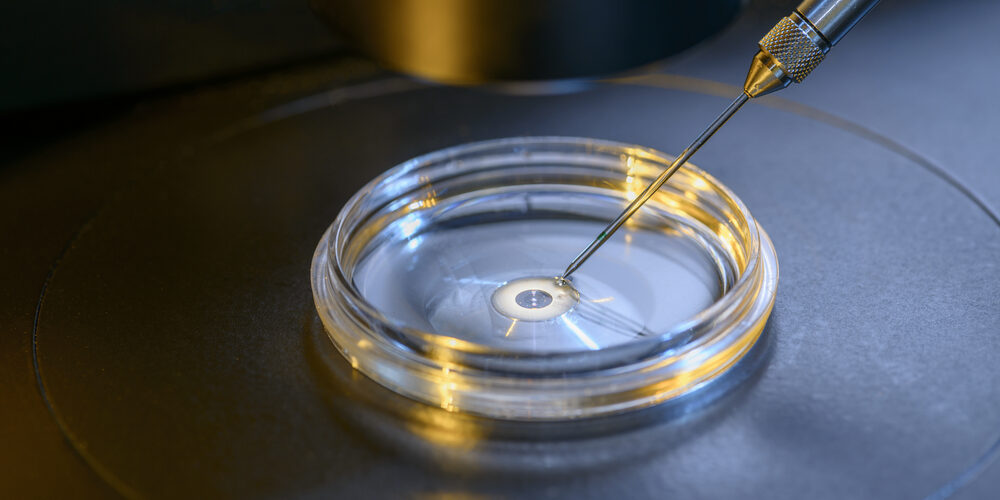
In cases where sperm cannot be obtained through ejaculation but fertility treatment using intracytoplasmic sperm injection (ICSI) is required, testicular sperm retrieval can be performed.
For further information or Booking..


Surgical sperm retrieval refers to the process of obtaining sperm directly from the male reproductive organs for use in Intracytoplasmic Sperm Injection (ICSI). There are three primary methods:
1. PESA (Percutaneous Epididymal Sperm Aspiration)
PESA involves retrieving sperm directly from the epididymis, the structure located above the testicle where sperm is stored. This procedure is performed using a fine needle (approximately 2 mm in diameter) inserted through the skin to aspirate sperm.
2. TESA (Testicular Sperm Aspiration)
TESA is performed when sperm cannot be retrieved from the epididymis or when the quantity obtained through PESA is insufficient. This technique uses a small needle to aspirate sperm-containing tissue directly from the testicle.
3. TESE (Testicular Sperm Extraction)
TESE is a surgical procedure in which a small incision is made in the testicle to remove a small tissue sample for sperm extraction. This method is typically used when sperm cannot be obtained through TESA or when TESA does not yield an adequate number of sperm for ICSI treatment.
When Is Testicular Sperm Retrieval Necessary?
1. Diagnostic Purposes
When a semen analysis reveals an absence of sperm (azoospermia), which may result from obstruction of the sperm ducts or testicular failure, further diagnostic evaluation is required to determine the underlying cause.
-
If an obstruction is identified, sperm can be retrieved directly from the testicle using TESA and subsequently used for in vitro fertilization (IVF).
-
If the cause is testicular failure, only immature sperm may be present, which significantly reduces the likelihood of successful treatment.
2. Treatment Purposes
Testicular sperm retrieval may also be performed for therapeutic reasons. This includes cases in which the testicles are known to produce sperm, or when the male partner has previously fathered children but has undergone a vasectomy.
This approach may be considered when a vasectomy reversal is not desired or when the likelihood of success is reduced due to the length of time since the vasectomy. Retrieving sperm directly from the testicle allows for the selection of genetically intact sperm, which may improve pregnancy success rates.
3. Inability to Retrieve Sperm Naturally
In situations where sperm cannot be obtained through ejaculation and fertility treatment using Intracytoplasmic Sperm Injection (ICSI) is required, testicular sperm retrieval techniques are used to obtain viable sperm for fertilization.
For further information or Booking..


 Building A, 3rd Floor