In the medical field, infertility is defined as the inability of a couple to conceive after at least one year of regular, unprotected sexual intercourse. In recent years, infertility has become increasingly prevalent across all age groups.
For further information or Booking..


Causes of Infertility: Both Men and Women Are Affected
Infertility can be attributed to a variety of factors and is generally divided into three main categories:
-
Male factors: 30–40% of all cases
-
Female factors: 30–40% of all cases
-
Unexplained causes: approximately 10% of cases
In some instances, both partners may contribute to infertility, making it essential to evaluate both male and female reproductive health. Addressing both sides allows for a more accurate diagnosis and more effective treatment planning, ultimately improving the chances of successful conception.
Therefore, when experiencing difficulty conceiving, both partners should undergo medical evaluation together. This approach enables comprehensive testing and provides emotional support, both of which can be highly beneficial throughout the fertility journey.
Female Infertility: The Leading Causes
1. Anovulation: The Most Common Cause
The most common cause of infertility in women is anovulation, or the absence of ovulation. A common misconception is that having regular menstrual periods means ovulation is occurring regularly — however, this is not always the case.
In women who ovulate normally, menstrual cycles are typically regular and occur approximately every 28 days. However, women with irregular menstrual cycles may not ovulate consistently, even if menstrual bleeding occurs each month. In some cases, bleeding may occur without actual ovulation, meaning no egg is released during that cycle.
Anovulation occurs when the egg fails to fully mature during the mid-phase of the menstrual cycle. As a result, ovulation does not occur, and the egg is not released from the ovarian follicle to travel through the fallopian tube to meet the sperm.
A mature egg typically measures about 2 cm and produces estradiol, a hormone that stimulates the hypothalamus to release luteinizing hormone (LH) — the key trigger for ovulation. When the egg does not develop properly, estradiol is not produced in sufficient amounts, LH is not released, and ovulation does not occur.
2. Blocked Fallopian Tubes: The Second Leading Cause
Another major cause of female infertility is blocked fallopian tubes. The fallopian tubes connect the ovaries to the uterus and serve as the pathway where the egg and sperm meet. Each woman has two fallopian tubes, and fertilization typically occurs in the middle portion of the tube.
After fertilization, the embryo travels down the fallopian tube and implants in the uterus, where development begins.
If one or both fallopian tubes are blocked — regardless of the location of the blockage — the egg and sperm cannot meet, making natural fertilization impossible. This condition significantly reduces the chances of conception and may require medical intervention, such as in vitro fertilization (IVF).
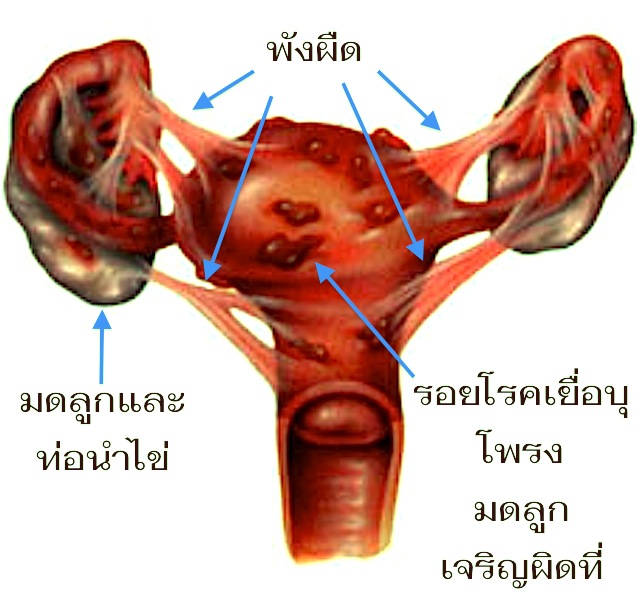
The most common cause of blocked fallopian tubes is a previous pelvic infection, which may have caused little or no noticeable symptoms at the time. After the inflammation subsides, scar tissue may form within the fallopian tubes, leading to blockage. This scar tissue can also extend beyond the tubes and affect surrounding structures, including the uterus, ovaries, and adjacent pelvic tissues.

Another contributing factor to blocked fallopian tubes is the presence of pelvic adhesions.
Pelvic adhesions are bands of scar tissue that form between pelvic organs and are often described as internal “wounds” within the pelvic cavity.
These adhesions may develop between various structures, such as the ovaries, ovarian sacs, and fallopian tubes, disrupting the normal movement of the egg and potentially obstructing its pathway.
Pelvic adhesions typically result from tissue damage, which may occur following surgery, infections, inflammation, or underlying conditions such as endometriosis. During the healing process, this damage can lead to the formation of thin, fibrous bands of scar tissue.
While some adhesions may be harmless, dense or strategically located adhesions can cause significant complications. For example, they may wrap around or compress the fallopian tubes, leading to blockage, or constrict parts of the intestines, potentially resulting in intestinal obstruction—a serious and potentially life-threatening condition.

 Building A, 3rd Floor