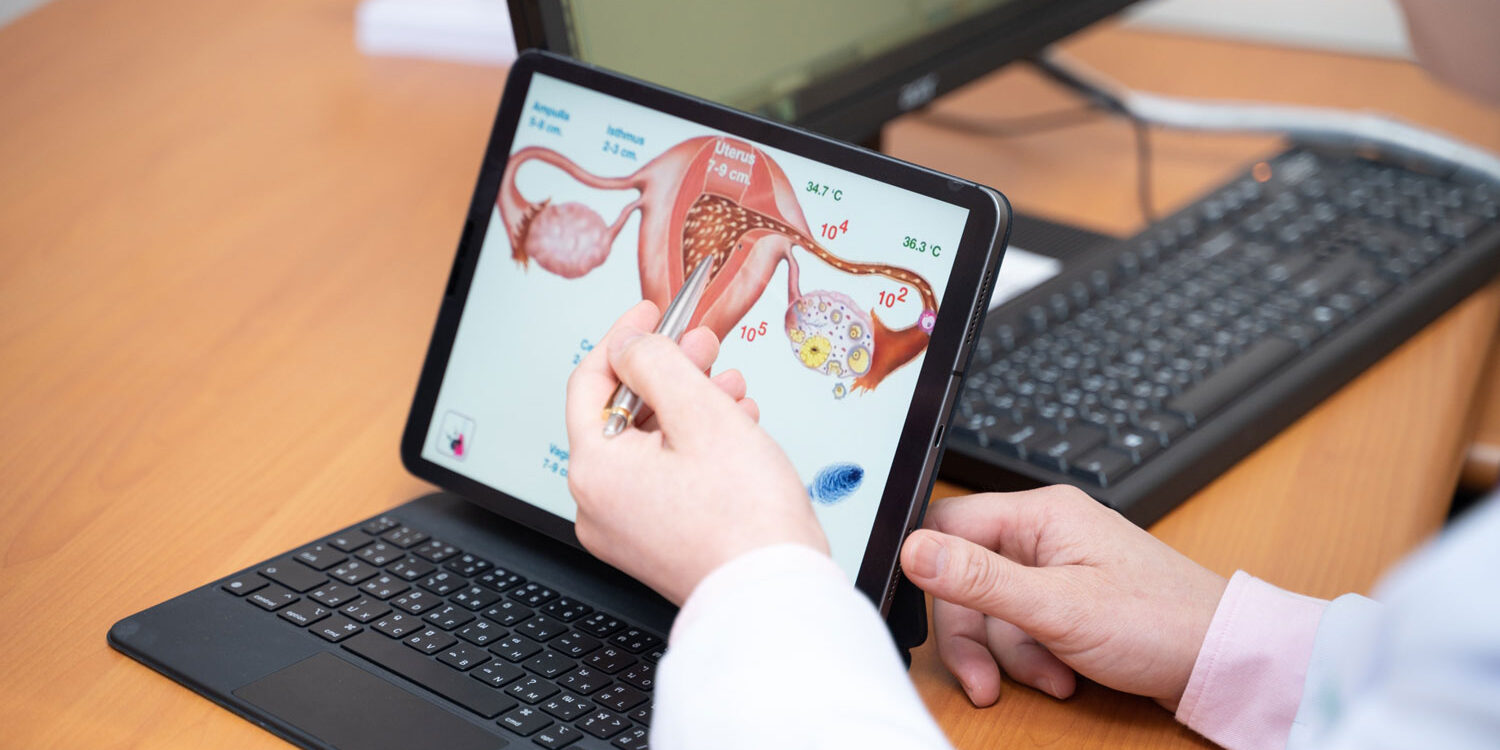
In infertility treatment for individuals at risk of fetal abnormalities, a comprehensive chromosomal analysis known as array comparative genomic hybridization (aCGH) can be used to detect abnormalities across all chromosomes, including the sex chromosomes. This technology enables more accurate selection of embryos with a normal chromosomal profile.
For further information or Booking..


Fertility Treatment Technology Can Help
What Does the Term “Difficulty Conceiving” Mean?
In medical terms, “difficulty conceiving” refers to a situation in which a couple has regular, unprotected sexual intercourse (approximately 3–4 times per week) for one year without achieving pregnancy.
If a couple is unable to conceive, it indicates a desire to have children but an inability to do so naturally. Several risk factors may contribute to this condition, including irregular menstrual cycles, previous injuries or surgeries involving the reproductive organs (ovaries or testes), and hormonal imbalances. Women over the age of 35 are especially advised to seek medical consultation early, even before completing one year of trying to conceive.
Causes of Male Infertility
Male infertility may be caused by:
-
Genetic factors that affect sperm production or result in the inability to produce sperm
-
Medications and treatments such as chemotherapy, radiation therapy, certain drugs, smoking, or alcohol consumption
-
Chronic illnesses, including diabetes, thyroid disease, or hormonal disorders
-
Injuries or surgeries involving the male reproductive system
Causes of Female Infertility
Female infertility may result from:
-
Increasing age, which is often associated with stress, poor nutrition, obesity, and declining fertility
-
Chronic diseases such as diabetes, thyroid disorders, or hormonal imbalances
-
Congenital abnormalities affecting the reproductive organs
-
Blockage of the fallopian tubes due to inflammation or previous surgery
-
Ovarian dysfunction, including irregular ovulation, ovarian cysts, or poor egg quality
How Doctors Diagnose Infertility
To identify the cause of infertility, doctors may:
-
Take a comprehensive medical history from both partners
-
Ask women about menstrual cycles, pelvic pain, and any history of infections or sexually transmitted diseases
-
Ask men about previous injuries, surgeries, or infections affecting the reproductive organs
-
Perform physical examinations
-
Conduct semen analysis for men
-
Perform internal examinations and imaging studies for women, such as ultrasound or hysterosalpingography (HSG), which uses contrast dye and X-ray imaging
Once the underlying cause is identified, targeted treatment can be provided. For example, uterine fibroids may be surgically removed. If natural conception remains unsuccessful, assisted reproductive technologies (ART) may be recommended.
Assisted Reproductive Technologies (ART)
Common ART options include:
Intrauterine Insemination (IUI)
Ideal for mild male factor infertility or cases in which the woman’s uterus and fallopian tubes are normal. This procedure involves stimulating ovulation and injecting prepared sperm directly into the uterus at the time of ovulation.
Gamete Intrafallopian Transfer (GIFT)
An older technique that is now rarely used. Eggs and sperm are placed directly into the fallopian tubes, allowing fertilization to occur naturally inside the body.
Zygote Intrafallopian Transfer (ZIFT)
Used in cases of blocked fallopian tubes or poor fertilization. Eggs are fertilized in the laboratory and cultured for 3–5 days before being transferred into the fallopian tubes.
Success rate: approximately 30–40% per cycle.
Intracytoplasmic Sperm Injection (ICSI)
A specialized form of IVF used when sperm quality is low. A single sperm is injected directly into an egg, and the resulting embryo is transferred into the uterus after 3–5 days.
Success rate: approximately 30–40% per cycle.
Preparing for Assisted Reproductive Treatment
-
Women are encouraged to seek consultation before the age of 35, as fertility declines with age and the risks of miscarriage and chromosomal abnormalities increase
-
Both partners should stop smoking and avoid alcohol consumption
-
Undergo health screenings and treat any underlying medical conditions
-
Maintain a healthy lifestyle, including regular exercise, adequate sleep, and stress management
Men should also:
-
Avoid ejaculation for 3–7 days prior to sperm collection
-
Avoid smoking and alcohol
-
Get sufficient rest and minimize stress
-
Avoid excessive heat exposure, such as hot baths or prolonged motorcycle riding, which can negatively affect sperm quality
Menstrual Cycle Clues Related to Infertility
-
Irregular menstrual cycles (shorter than 21 days or longer than 35 days) may indicate ovulation problems
-
Light menstrual flow may suggest a thin uterine lining
-
Heavy menstrual flow may be associated with uterine fibroids or other uterine abnormalities
-
Prolonged bleeding may result from endometrial disorders or fibroids
-
Additional symptoms such as frequent urination, constipation, or a palpable abdominal mass may indicate pressure caused by abnormal tissue growth
If you notice any of these signs, do not delay seeking medical advice. Early diagnosis and treatment can significantly improve fertility outcomes.
Tips to Boost Natural Conception Before Seeking Medical Help
-
Track ovulation (typically around days 14–16 of a 28–30 day menstrual cycle)
-
Men should abstain from ejaculation for 2–3 days before the expected ovulation period
-
Avoid lubricants that contain spermicides
-
Reduce alcohol consumption, stop smoking, and avoid exposure to toxins
-
Maintain a healthy body weight
-
Manage stress and engage in regular physical activity
-
Avoid overheating the testicles (e.g., hot tubs, tight underwear, or prolonged motorcycle riding in hot weather)
Seeking medical advice early and adopting healthy lifestyle habits can significantly increase the chances of conception and lead to a successful pregnancy.
For further information or Booking..

 Building A, 3rd Floor